Advertisement
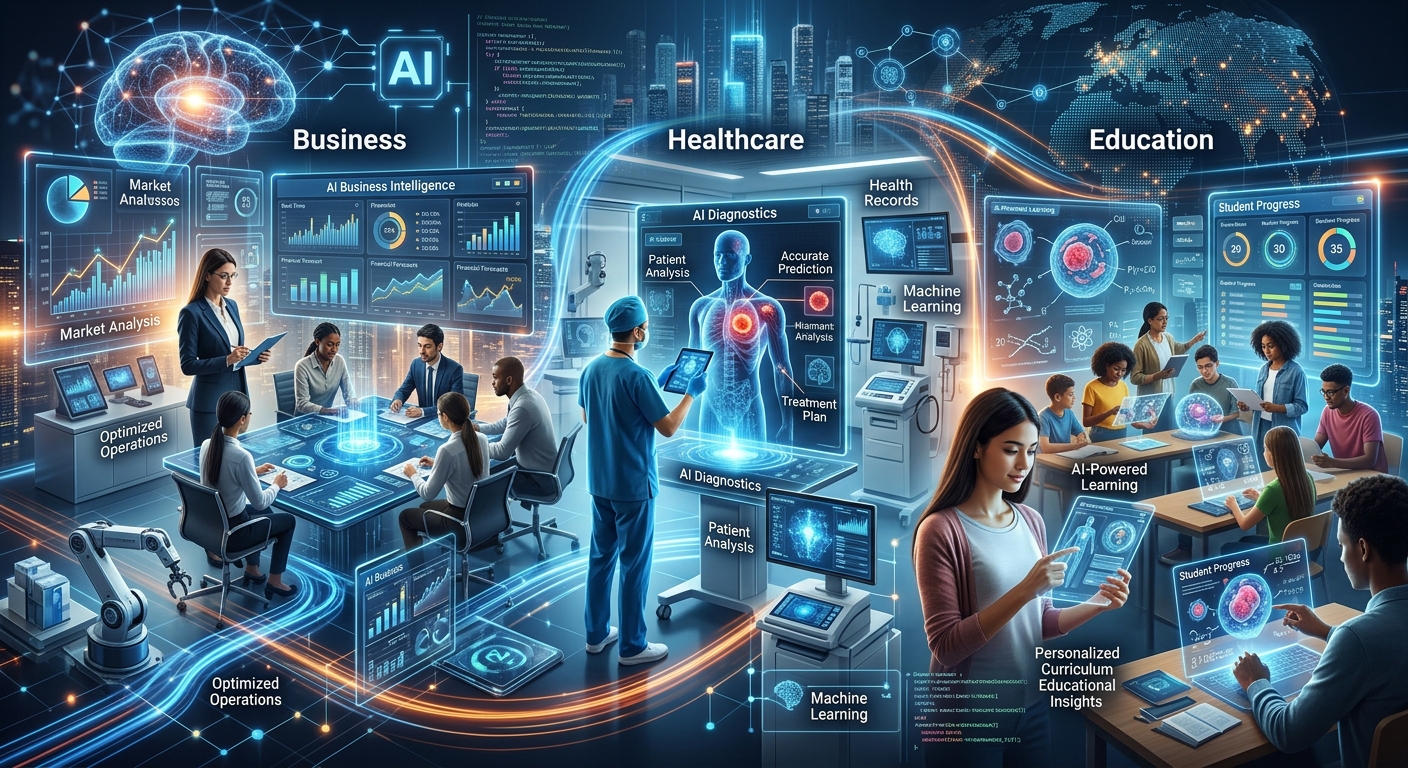
AI tools are software applications that utilize artificial intelligence to perform specific tasks, often mimicking human cognitive functions such as learning, problem-solving, and pattern recognition. These tools range from simple automation scripts to complex machine learning algorithms capable of processing vast amounts of data.
There are various types of AI tools, including machine learning platforms, natural language processing (NLP) systems, and computer vision capabilities. Each type serves different purposes, from automating routine tasks to enhancing decision-making processes through data-driven insights.
Their basic functionalities include data analysis, predictive analytics, and process automation, allowing businesses to improve efficiency and reduce operational costs while increasing accuracy in their operations.
AI tools are revolutionizing business operations by automating routine tasks, thereby liberating human resources for more strategic roles. For instance, in customer service, AI chatbots handle repetitive inquiries, freeing up staff to focus on complex issues.
Enhanced data analysis capabilities enable businesses to derive actionable insights, leading to improved decision-making processes. For example, AI-driven analytics help companies forecast market trends and consumer behaviors, optimizing inventory management and marketing strategies.
Case studies reveal significant cost reductions and efficiency improvements, illustrating the transformative impact of AI in business.
In healthcare, AI tools play a crucial role in diagnostics and personalized medicine. AI-driven algorithms analyze medical images, providing accurate and timely diagnostics that improve patient outcomes.
Personalized medicine is another area where AI tools shine, offering tailored treatment plans based on individual patient data. This approach enhances the efficacy of treatments and reduces adverse effects.
Operational efficiencies are achieved through AI's ability to streamline administrative tasks such as patient scheduling and billing, allowing healthcare professionals to focus more on patient care.
However, challenges such as data privacy and the ethical use of AI in patient care need careful consideration.
AI tools are enhancing educational outcomes by offering adaptive learning technologies that cater to individual student needs. These technologies adjust the pace and style of learning materials based on student performance.
AI-driven educational tools like virtual tutors help engage students by providing interactive and personalized learning experiences, making education more accessible and effective.
For educators, AI tools offer insights into student performance, helping identify areas needing improvement and tailoring teaching strategies accordingly. Future trends suggest further integration of AI in classroom settings, enhancing both teaching and learning experiences.
Implementing AI tools comes with challenges such as integration into existing systems, data privacy concerns, and skill gaps in personnel.
Successful integration requires a strategic approach, starting with a thorough assessment of current processes and identifying areas where AI can add the most value.
Data privacy is a significant concern, necessitating robust security measures and compliance with regulations to protect sensitive information.
Bridging the skill gap involves investing in training programs to equip employees with the necessary skills to work alongside AI technologies effectively.
The future of AI tools is promising, with emerging technologies such as quantum computing and advanced neural networks poised to push the boundaries of what AI can achieve.
Potential new applications include AI tools for environmental sustainability, such as optimizing energy consumption and improving waste management.
Long-term, AI tools are expected to have profound impacts on industries, driving innovation and creating new opportunities for growth and efficiency.
The ongoing evolution of AI tools suggests a future where automation and intelligence seamlessly integrate into everyday operations.