Advertisement
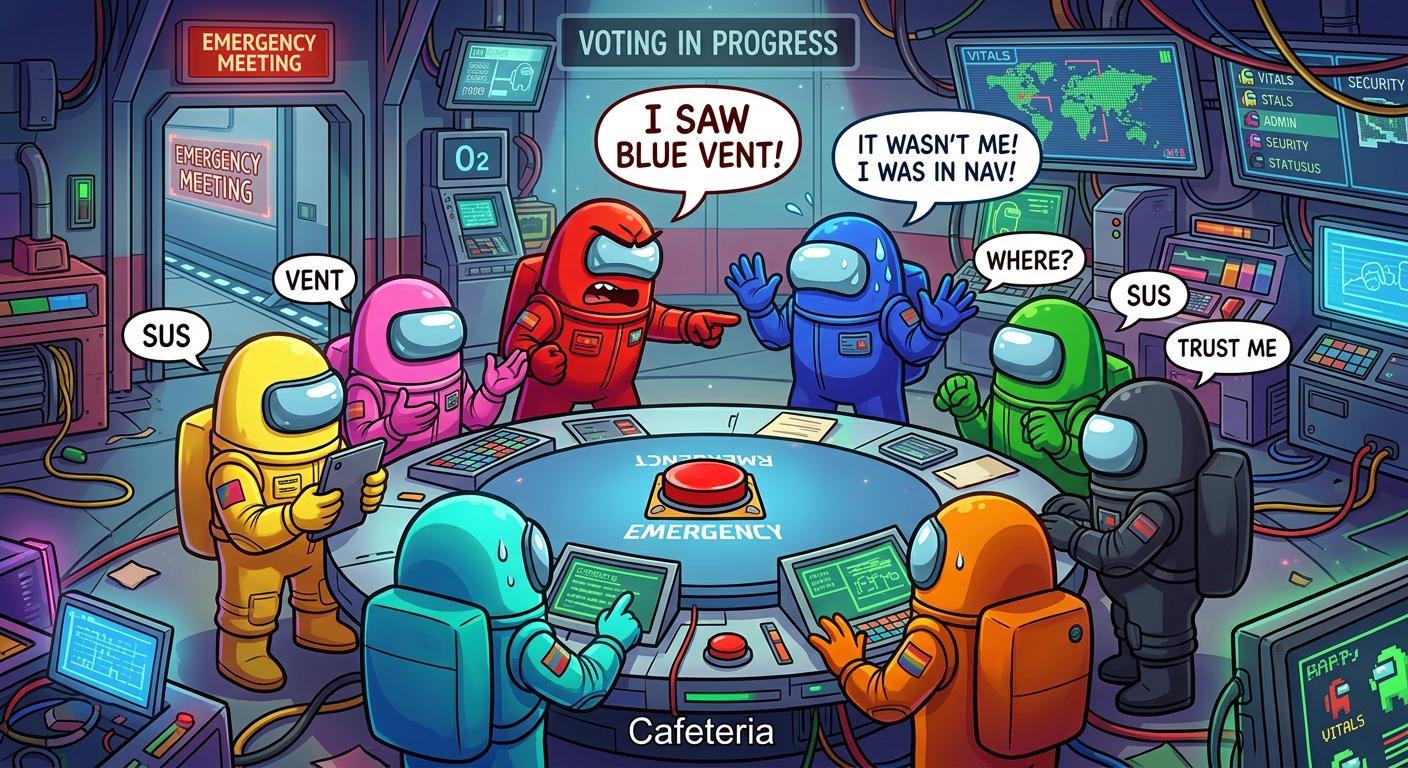
Among Us isn't just a game of strategy; it's a psychological showdown. To truly shine, players need to master reading others and wielding psychological tactics like a pro. Let's dive into some essential strategies.
The Importance of Reading Other Players' Behavior: Spotting patterns in how players move, interact, and respond is key. Keep an eye out for inconsistencies between their actions and words; these are often the red flags of deceit.
Bluffing as an Impostor: Bluffing is a vital skill. As an impostor, act natural, perform tasks convincingly, and occasionally fess up to harmless mistakes to gain trust. The more genuine you seem, the better your chances of fooling crewmates.
Reverse Psychology: Turn suspicion on its head with reverse psychology. Admit to something minor to divert attention from your real intentions, or subtly cast doubt on others to shift the blame away from you.
Playing as an impostor is a thrilling challenge. Mastering deception and sabotage can really tip the scales in your favor.
Timing Your Sabotages: A well-timed sabotage can create chaos and open up opportunities. Use them to isolate crewmates or divert attention during tense moments. Remember, the success of a sabotage often depends on its timing.
Creating Alibis and Framing Crewmates: Crafting a solid alibi is crucial. Stick with a group and perform fake tasks to blend in. When the moment is right, subtly frame another player through clever misdirection.
Splitting the Group: Divide and conquer by orchestrating scenarios that force crewmates to split up, either through sabotage or persuasion. A scattered crew is easier to pick off and manipulate.
As a crewmate, your main goal is survival while completing tasks. Here's how to spot impostors and stay safe.
Recognizing Impostor Behavior Patterns: Impostors often display certain behaviors, like wandering aimlessly or entering rooms without completing tasks. Watch for these patterns and report any suspicious activity.
Effective Use of Emergency Meetings: Use meetings wisely to discuss findings and voice suspicions. Gather evidence before calling a meeting to make sure it's productive.
Building Trust with Other Crewmates: Work together by sticking with others and validating each other's tasks. Trust is key to forming alliances and identifying threats.
Communication can make or break your game. Here's how to use it to your advantage.
Leading Discussions: During discussions, keep a calm demeanor and guide the conversation without drawing suspicion. Present facts and observations clearly and concisely.
Using Voice Chat: Voice chat adds a new layer to the game. It's faster and conveys tone better than text, allowing for more nuanced interactions. Use it to build rapport or quickly sow doubt.
The Role of Communication in Building Alliances: Clear communication fosters trust. Use it to form alliances and collaborate effectively, ensuring safety in numbers.