Advertisement
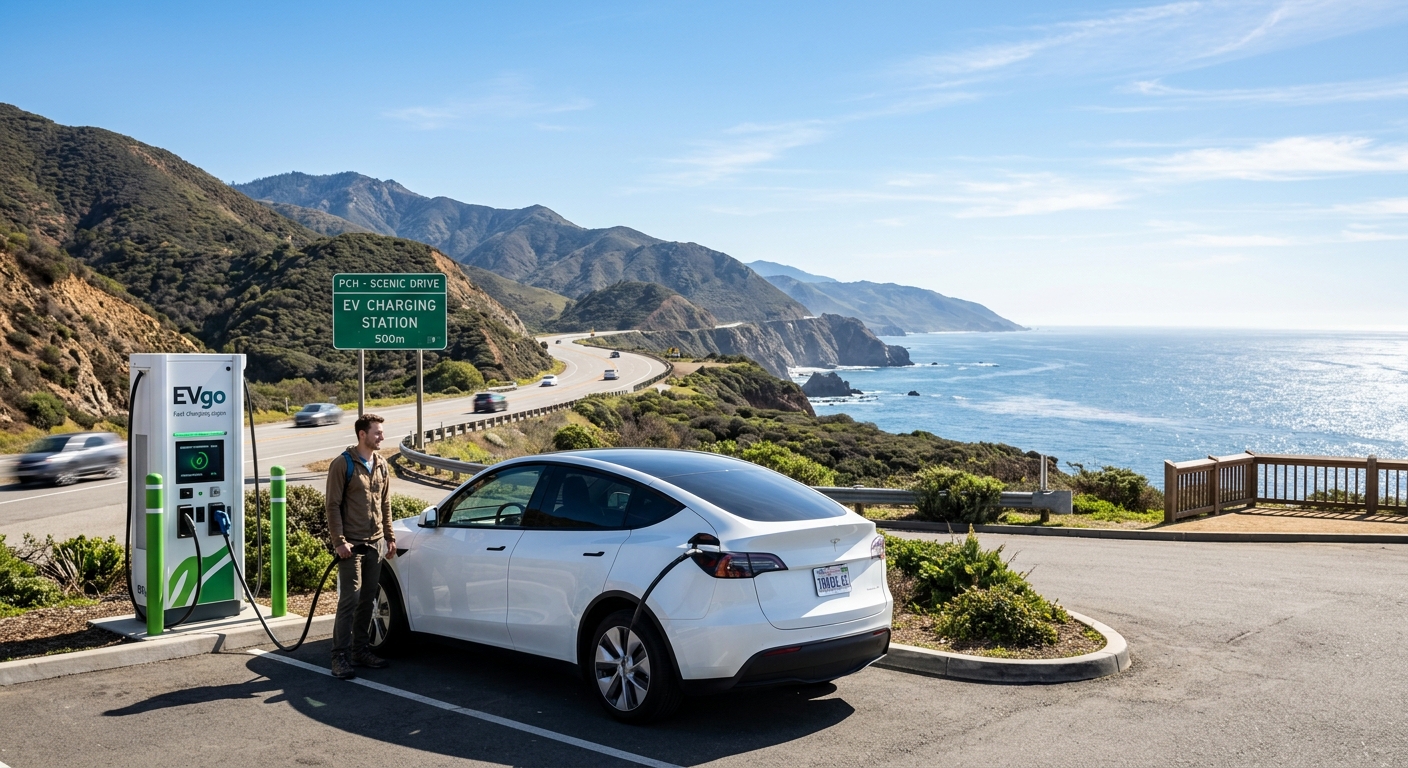
Electric Vehicle (EV) charging networks are integral to the growing adoption of electric cars. These networks provide the infrastructure needed to recharge EV batteries, ensuring that drivers can travel longer distances without battery anxiety.
There are several types of charging networks: public, private, and fast-charging. Public networks are accessible to all EV users and are typically found in urban areas, shopping centers, and along major highways. Private networks are often used by specific businesses or fleets and are not open to the general public. Fast-charging networks, offering rapid energy replenishment, are vital for long-distance travel, reducing the time spent at charging stations significantly.
For EV users, these networks are crucial. They provide the assurance of power availability, making EVs a more practical option for everyday use and long trips alike.
Understanding the different types of charging stations is essential for maximizing your EV experience. There are three main types: Level 1, Level 2, and DC fast charging.
Level 1 charging uses a standard household outlet and is best for overnight home charging, as it provides a slow charge.
Level 2 charging requires a special outlet and charges faster than Level 1, making it suitable for both home and public charging stations.
DC fast charging is the quickest option, ideal for long trips when time is of the essence. It is, however, more expensive than the other two options.
Each type has its own cost implications and charging times, so understanding these differences can help you plan your charging strategy effectively.
Locating public charging stations is easier than ever, thanks to various tools and apps. Apps like PlugShare and ChargePoint help users find nearby stations, check availability, and even plan routes that accommodate charging needs.
When planning long trips, it's essential to map out potential charging stops in advance to avoid running low on battery. Consider the charging speed and time needed at each stop.
Understanding etiquette at charging stations is also important. For instance, avoid occupying a charging spot longer than necessary, and be courteous to other drivers waiting for their turn.
Home charging offers the convenience of starting each day with a full battery. The installation of a Level 2 home charger is a popular choice, providing faster charging rates than a standard outlet.
While setting up a home charging solution, consider the installation costs and ensure that your home electrical system can support it. Hiring a professional electrician is recommended to ensure safety and compliance with local regulations.
Prioritizing safety measures during installation, such as proper grounding and ventilation, can prevent potential hazards.
The landscape of EV charging is rapidly evolving, with new technologies promising faster charging times and greater accessibility. Wireless charging, for instance, could eliminate the need for cables altogether, making the process more seamless.
As these technologies develop, users can expect improvements in charging speed and availability, further boosting the appeal of electric vehicles. The industry is optimistic about these innovations, which promise to make EVs more accessible and practical for everyday use.
Overall, staying informed about these trends can help EV owners make the most of their vehicles and future-proof their energy strategies.